
Protecting Access to Radiation Oncology: Why Local Cancer Care Matters for Patients
When someone hears the words “you have cancer,” one of the first questions that often comes to mind is: What happens next? Patients want answers, treatment options, and a plan. But for many people across the United States — especially those living in rural and underserved communities — another question is becoming increasingly important:
Will I be able to access the care I need close to home?
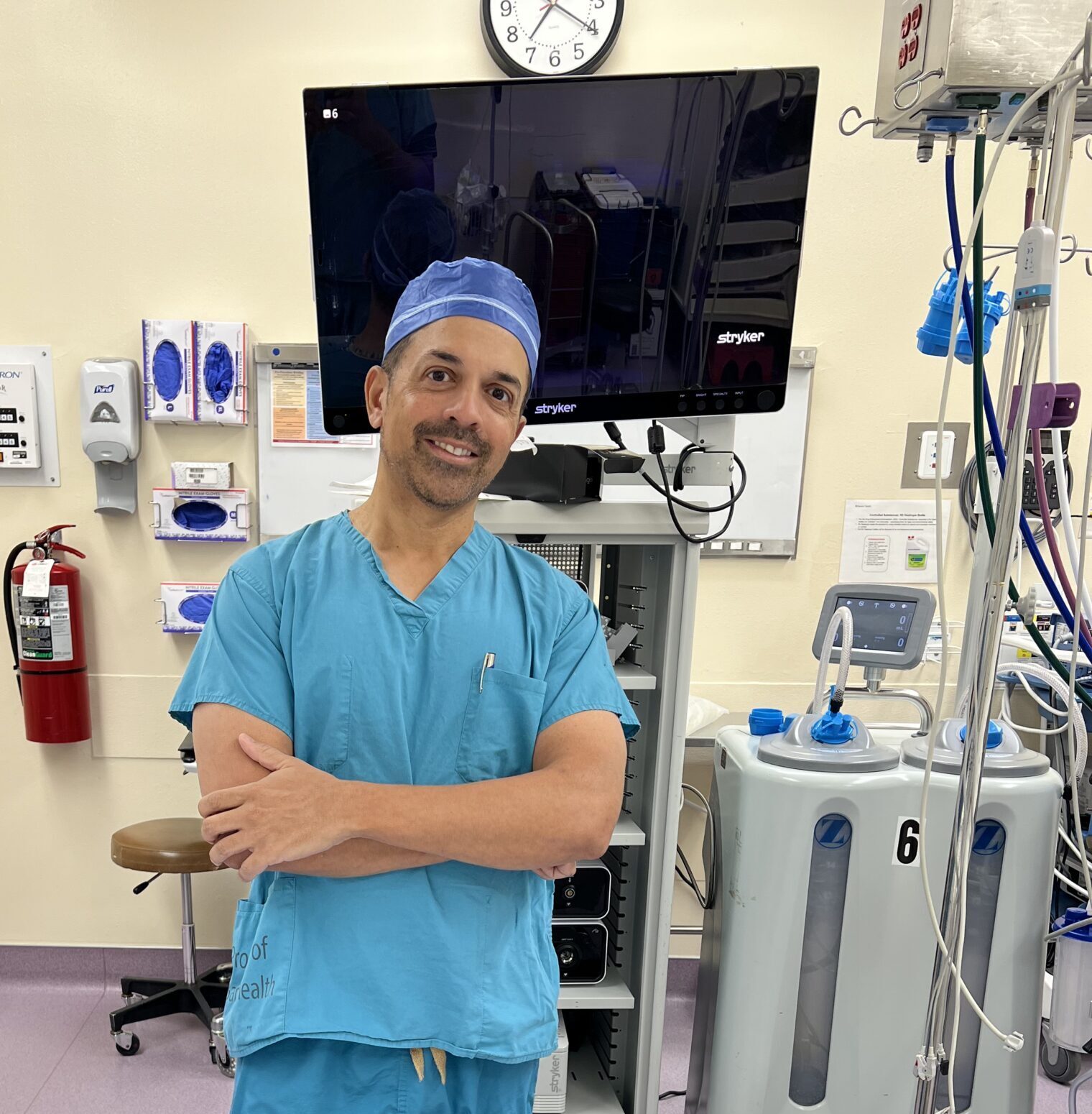
As a radiation oncologist and founder of the Prostate Cancer Institute of America, I have seen firsthand how access to quality cancer treatment can directly impact a patient’s experience and outcome.
More than 80% of cancer patients will require radiation therapy at some point during their treatment journey. Radiation oncology is a critical component of modern cancer care, and when patients cannot access this treatment, the consequences can be significant — including delays in care and potentially reduced cure rates.
Unfortunately, we are facing a growing challenge: radiation oncology clinics are closing, and access to local cancer treatment is becoming more limited.
The Growing Crisis in Radiation Oncology Access
Over the past decade, radiation oncology practices have experienced significant financial pressure. Reimbursement rates have declined while the cost of providing advanced cancer care continues to increase.
More than 10 years ago, reimbursement for radiation oncology services decreased by approximately 23%, and today reimbursement remains roughly 35% lower than previous levels. At the same time, the costs associated with maintaining state-of-the-art equipment, staffing highly trained medical professionals, managing insurance expenses, and operating a healthcare practice continue to rise.
For independent practices like mine, the challenge is significant. We cannot control the rising costs of equipment, technology, staffing, and overhead — but we still have to find a way to provide patients with the highest quality care possible.
The impact goes beyond individual clinics. Lower reimbursement also affects innovation, research, and physician training. Advancing cancer treatment requires investment, and we must continue finding ways to deliver better, more efficient care without sacrificing outcomes.
The Burden of Traveling for Cancer Treatment
For patients battling cancer, every additional challenge matters.
When you do not feel well, even simple daily activities can feel exhausting. Getting dressed, leaving the house, and traveling to appointments may already require significant effort. Now imagine adding hours of driving time for cancer treatment — sometimes multiple times each week.
For patients living in rural areas, traveling two or more hours each way for radiation therapy can become physically, emotionally, and financially overwhelming. Some patients may delay treatment, miss appointments, or struggle to complete their recommended care because of these barriers.
This is one of the reasons I believe so strongly in expanding access to innovative treatment options, including in-office brachytherapy for prostate cancer.
Brachytherapy: Bringing Advanced Prostate Cancer Treatment Closer to Patients
At the Prostate Cancer Institute of America, we are focused on providing patients with effective, evidence-based treatment options while reducing unnecessary burdens.
Brachytherapy is one of the most precise forms of radiation therapy available for prostate cancer. It delivers radiation directly to the prostate, allowing us to target the cancer while minimizing exposure to surrounding healthy tissues.
One of the advancements we are proud to offer is in-office brachytherapy performed with local anesthesia. This eliminates the need for a hospital or surgery center in many cases, allowing patients to come to our office, receive treatment, and return home the same day.
For patients who live far away, this can be life changing.
They may be able to drive themselves to treatment, avoid a hospital stay, and experience a less invasive approach while still receiving highly effective cancer care.
To me, this represents what healthcare should be about: putting the patient first.
The Need for Healthcare Reform
Preserving access to radiation oncology will require meaningful changes to how cancer care is supported.
The Radiation Oncology Case Rate Act, a bipartisan proposal introduced in Congress, aims to modernize Medicare reimbursement for radiation therapy by moving toward a bundled, episode-based payment model. The goal is to improve access, particularly in rural and underserved communities, while maintaining high-quality, evidence-based care.
Policies like this matter because reimbursement decisions directly influence whether communities can sustain local cancer treatment services.
The reality is that many radiation oncology clinics are facing difficult decisions. Without changes, we may continue to see practices close, leaving more patients with fewer options and longer travel distances.
The Future of Cancer Care Requires Innovation and Education
While the challenges are significant, I remain optimistic about the future.
Through education, innovation, and training more physicians in advanced techniques like brachytherapy, we can continue expanding access to excellent cancer care.
The solution is not simply about building more facilities. It is about finding smarter, more efficient ways to deliver treatment while maintaining the highest standards of quality.
Every prostate cancer patient deserves access to the best possible care — regardless of where they live.
As physicians, healthcare leaders, and policymakers, we have a responsibility to ensure that geography does not determine a patient’s chance at a successful outcome.
The future of cancer care depends on innovation, collaboration, and a commitment to always put the patient first.
